
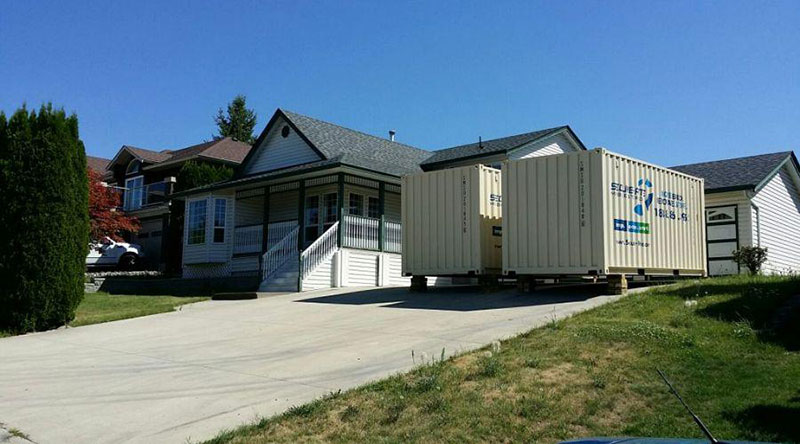
Shipping containers have become one of the fastest-growing storage solutions for homeowners across the country. From secure backyard storage to workshops, hobby spaces, and even tiny homes, more people are discovering the convenience and long-term value of owning a container.
But one of the most common questions buyers ask is:
“Can I legally put a shipping container on residential property?”
The short answer is: usually yes — but there are important factors to consider before delivery day arrives.
Understanding local regulations is crucial when considering a shipping container on residential property. Check with your local zoning laws and homeowner association guidelines to ensure compliance, especially when planning to place a shipping container on residential property.
At Steel Ridge Containers, we help homeowners navigate the process every day. This guide will walk you through the key things you should know before placing a shipping container on residential property.
Understanding the Regulations for a Shipping Container on Residential Property
It is essential to understand the implications of having a shipping container on residential property, including potential zoning restrictions and neighborhood aesthetics. Consider the placement location of your container before your purchase.
Popular Residential Uses Include:
- Garage overflow storage
- Tools and lawn equipment
- Seasonal decorations
- Moving and renovation storage
- ATV and motorcycle storage
- Home workshops
- Hobby rooms
- Farm and ranch storage
Check Local Zoning and HOA Rules First
Before purchasing a container, it’s important to understand your local regulations.
Potential Restrictions May Include:
- HOA rules
- City zoning ordinances
- Property setback requirements
- Container visibility rules
- Permit requirements
- Temporary vs permanent placement rules
Some neighborhoods allow containers freely, while others may restrict:
- Container size
- Placement location
- Length of time allowed
- Exterior appearance
Good News:
In many rural and unincorporated areas, regulations are often far more flexible than in densely populated suburban neighborhoods.
If you’re unsure, contact:
- Your city or county planning department
- Your HOA board
- Local building department
Doing a little research beforehand can prevent headaches later.
Choosing the Right Container Size for Residential Use
The most common residential container sizes are:
- 20-foot containers
- 40-foot containers
20′ Containers
The most popular residential option because they offer:
- Excellent storage capacity
- Easier placement
- Better appearance on residential lots
- Lower delivery space requirements
40′ Containers
Ideal for:
- Large rural properties
- Farm and ranch storage
- Major renovation projects
- Large equipment or inventory storage
Many homeowners find that a 20′ container provides the perfect balance between storage space and residential practicality.
Make Sure Your Property Can Handle Delivery
One of the most overlooked parts of container ownership is delivery access.
Delivery Trucks Need:
- Straight clearance space
- Adequate width
- Firm ground conditions
- Turning room
- Overhead clearance from trees or power lines
Typical Space Requirements:
- 20′ Container: Approximately 50–60 feet of straight clearance
- 40′ Container: Approximately 80–100 feet of straight clearance
Uneven terrain, steep driveways, soft dirt, or narrow access roads can complicate delivery.
At Steel Ridge Containers, we always recommend discussing your site conditions before ordering so the right delivery equipment can be planned.
Prepare a Solid Foundation
Shipping containers should always be placed on stable, level ground.
Common Foundation Options:
- Gravel pads
- Concrete slabs
- Railroad ties
- Concrete piers
- Compacted road base
A proper foundation helps:
- Improve drainage
- Prevent settling
- Keep doors aligned
- Extend container lifespan
Gravel pads are one of the most affordable and popular residential solutions.
Consider Appearance and Property Aesthetics
Some homeowners worry that a shipping container may look too industrial for residential property.
Fortunately, containers can be customized or blended into the environment quite easily.
Ways to Improve Appearance:
- Paint the container
- Add landscaping around it
- Install fencing
- Position behind structures
- Use earth-tone colors
- Add wood or decorative siding
Modern container designs can actually complement many residential and rural properties surprisingly well.
Security Benefits for Homeowners
One major reason homeowners choose shipping containers is security.
Compared to traditional sheds, containers provide:
- Heavy-duty steel construction
- Lockable cargo doors
- Weather-resistant protection
- Better theft resistance
- Reduced pest intrusion
For valuable tools, equipment, recreational vehicles, and supplies, containers provide peace of mind that lightweight sheds often cannot match.
Final Thoughts
In most cases, yes — you absolutely can place a shipping container on residential property. The key is understanding your local regulations, preparing your site properly, and choosing the right container size for your needs.
Shipping containers offer homeowners a durable, secure, and cost-effective storage solution that can serve countless purposes for years to come.
At Steel Ridge Containers, we help customers nationwide choose the right container for their property, storage goals, and delivery conditions. Whether you need a compact 10′ unit or a full-size 40′ container, our team is ready to help make the process simple and stress-free.