
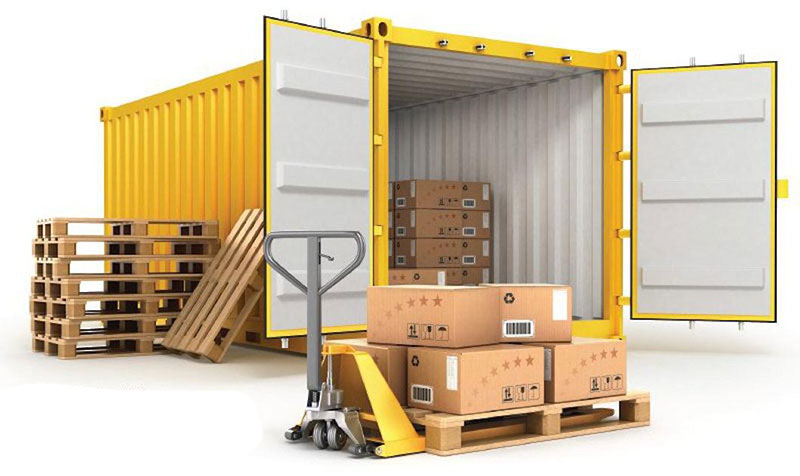
Shipping containers are one of the most practical and secure storage solutions available today. Whether you’re using a container for residential storage, construction equipment, business inventory, or farm supplies, proper organization can dramatically increase usable space and improve accessibility. To effectively organize a shipping container, it is essential to have a strategic approach.
At Steel Ridge Containers, we often hear customers say they’re amazed at how much they can fit inside a properly organized shipping container. With a few smart planning strategies, even a standard 20′ container can hold an incredible amount of equipment, tools, furniture, or inventory while still remaining easy to navigate.
If you’re investing in a shipping container, here are the best ways to organize a shipping container for maximum storage space and keep everything organized efficiently.
Start With a Storage Plan
How to Organize a Shipping Container for Maximum Efficiency
One effective method to organize a shipping container is to create designated areas for different types of items.
Before loading anything into your container, take time to think about how you’ll actually use the space.
Ask yourself:
To truly organize a shipping container, it helps to visualize your layout before beginning.
- Will you access items frequently?
- Are you storing long-term or temporary items?
- Do you need room to walk inside?
- Are there heavy items requiring floor access?
- Will you need shelving or work areas?
Planning ahead prevents the common mistake of stacking everything randomly and losing access to important items later.
Use Vertical Space Efficiently
Great Vertical Storage Options:
- Industrial shelving units
- Wall-mounted racks
- Pegboards for tools
- Overhead hanging storage
- Stackable storage bins
For maximum efficiency, place heavier items lower and lighter items higher.
Create Dedicated Storage Zones
Instead of treating the container like one giant pile of storage, divide it into functional sections.
Example Storage Zones:
- Tools & equipment
- Seasonal items
- Business inventory
- Household storage
- Workbench area
- Frequently used items near the doors
This system makes it much easier to locate items quickly and prevents unnecessary unloading and rearranging. When you organize a shipping container, consider using versatile containers for different items.
Leave a Walkway Down the Center
Benefits include:
- Easy access to stored items
- Improved visibility
- Better airflow
- Reduced risk of damage while moving items
Containers packed wall-to-wall may hold more initially, but they become frustrating and inefficient over time. Ultimately, how you organize a shipping container affects the efficiency of your workflow.
Invest in Heavy-Duty Shelving
Popular Shelving Options:
- Metal industrial shelving
- Adjustable rack systems
- Freestanding warehouse shelves
- Boltless shelving units
Shelving helps:
- Prevent damage
- Improve organization
- Increase storage density
- Make inventory easier to manage
For businesses and contractors, shelving can dramatically improve workflow and productivity. Every business can benefit from the ability to organize a shipping container effectively.
Use Clear Labels and Storage Bins
Simple labeling systems save enormous amounts of time.
Best Practices:
- Use weather-resistant labels
- Group similar items together
- Number shelves or storage sections
- Use transparent storage bins when possible
This is especially important for:
- Seasonal storage
- Construction supplies
- Retail inventory
- Emergency backup supplies
A labeled container is far easier to manage long term than loose stacked boxes.
Protect Against Moisture and Condensation
Even weather-resistant containers can develop condensation in certain climates if airflow is limited.
Moisture Prevention Tips:
- Install vents
- Use moisture absorbers or desiccants
- Avoid placing items directly against walls
- Elevate sensitive items on pallets
- Keep airflow moving inside the container
Protecting against moisture is especially important for:
- Furniture
- Electronics
- Documents
- Clothing
- Tools and machinery
Add Lighting for Better Visibility
Lighting Options:
- Battery-powered LED lights
- Solar-powered systems
- Hardwired electrical lighting
- Motion-sensor lighting
Good lighting improves:
- Safety
- Accessibility
- Organization
- Overall usability
Even basic LED strip lighting can completely transform the functionality of a container.
Utilize Pallets for Heavy Items
Pallets help:
- Keep items off the floor
- Improve airflow
- Reduce moisture exposure
- Make forklift movement easier
This is particularly useful for:
- Building materials
- Machinery
- Feed storage
- Bulk inventory
Consider a Workbench or Utility Area
Many customers transform part of their container into a functional workspace.
Popular additions include:
- Workbenches
- Tool walls
- Battery charging stations
- Small office setups
- Maintenance stations
This can turn your container into more than just storage—it becomes a productive extension of your workspace.
Final Thoughts
A shipping container offers incredible storage potential, but smart organization is what truly unlocks its value. By using shelving, storage zones, labeling systems, proper ventilation, and strategic layouts, you can dramatically improve both capacity and accessibility.
Whether you’re storing household belongings, contractor equipment, farm supplies, or business inventory, a well-organized shipping container saves time, protects valuables, and maximizes every square foot of space.
When deciding how to organize a shipping container, it’s essential to plan your layout carefully.
At Steel Ridge Containers, we help customers find durable, practical storage solutions built for real-world use. From 10′ containers to 40′ high cube units, we can help you choose the right container for your storage goals and property needs.