
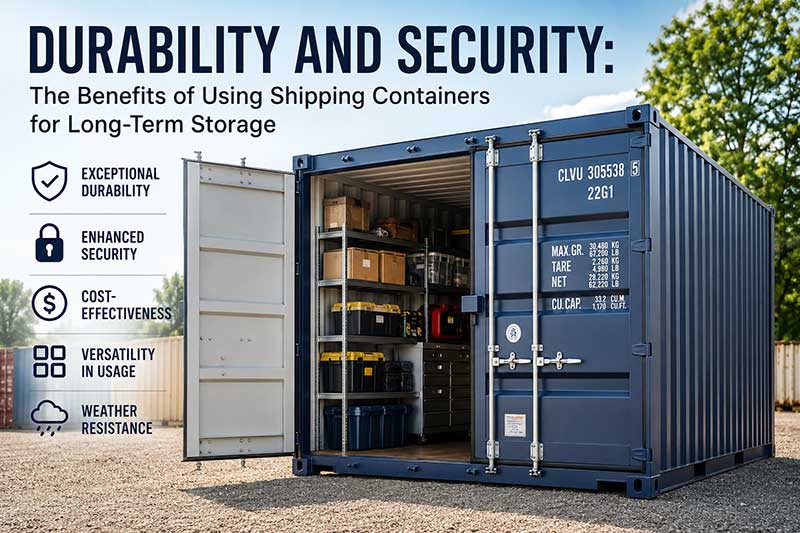
Durability and Security: The Benefits of Using Shipping Containers for Long-Term Storage
Introduction
Overview of Long-Term Storage Needs
Whether you are a homeowner clearing space in the garage, a contractor protecting valuable equipment, or a business managing inventory overflow, long-term storage has become more important than ever. People need storage solutions that are reliable, secure, weather-resistant, and cost-effective without requiring expensive construction projects or permanent buildings.
Traditional storage options often come with ongoing monthly fees, limited accessibility, and concerns about durability over time. As a result, many individuals and businesses are turning to a smarter alternative that offers long-lasting performance and flexibility: shipping containers.
Why Choose Shipping Containers?
Originally designed to transport cargo across oceans in extreme conditions, shipping containers are engineered for strength and durability. These steel structures are built to withstand harsh weather, heavy loads, and constant handling, making them an excellent choice for long-term storage.
Today, shipping containers are used for far more than transportation. They have become a trusted storage solution for residential, agricultural, commercial, and industrial applications because they offer unmatched security, convenience, and value.
Advantages of Using Shipping Containers
Exceptional Durability
One of the biggest advantages of shipping containers is their impressive durability. Constructed from heavy-duty Corten steel, these containers are specifically designed to resist corrosion, impact damage, and years of exposure to harsh environments.
Unlike wooden sheds or lightweight storage buildings, shipping containers can withstand:
- Heavy rain and snow
- Intense sunlight and heat
- Strong winds
- Pest and rodent intrusion
- Daily wear and tear
Many containers remain structurally sound for decades with minimal maintenance, making them a dependable long-term investment.
Enhanced Security Features
Security is one of the primary reasons people choose shipping containers for storage. The steel construction and industrial-grade locking systems make containers far more secure than many traditional storage alternatives.
Key security benefits include:
- Solid steel walls and doors
- Lockable cargo doors
- Limited entry points
- Compatibility with lock boxes and heavy-duty padlocks
- Resistance to forced entry attempts
For businesses storing tools, equipment, inventory, or expensive machinery, this added security can provide valuable peace of mind.
Cost-Effectiveness
Shipping containers offer excellent value compared to constructing permanent storage buildings or renting commercial storage units long-term.
Once purchased, a container becomes a long-term asset with no recurring monthly rental fees. Additionally, installation costs are typically much lower than building a traditional structure.
Other cost-saving advantages include:
- Minimal maintenance requirements
- Fast delivery and setup
- No need for extensive construction
- Long service life
- Potential resale value
For many homeowners and businesses, shipping containers provide a practical storage solution without the high price tag of conventional construction.
Versatility in Usage
Shipping containers are incredibly versatile and can be used in a wide range of environments and industries.
Common uses include:
- Residential storage
- Construction site storage
- Farm and ranch equipment storage
- Retail inventory overflow
- Emergency preparedness supplies
- Workshop or hobby spaces
- Seasonal item storage
Their adaptability makes them ideal for both temporary and permanent storage needs.
Benefits of Using Shipping Containers for Long-Term Storage
Weather Resistance
Shipping containers are designed to protect cargo while traveling across oceans and through extreme climates. This makes them highly resistant to weather-related damage.
A properly maintained container can help protect stored items from:
- Rain and moisture
- UV exposure
- Wind-driven debris
- Dust and dirt
- Snow accumulation
Many newer one-trip containers also feature improved door seals and cleaner interiors, making them ideal for storing furniture, household items, electronics, documents, and sensitive equipment.
Mobility and Accessibility
Unlike permanent storage buildings, shipping containers can be relocated if necessary. This mobility provides flexibility for changing job sites, property layouts, or business operations.
Containers can be delivered directly to:
- Residential properties
- Farms and ranches
- Construction sites
- Commercial properties
- Industrial facilities
Because they are ground-level storage solutions, loading and unloading is also more convenient compared to elevated storage units or warehouses.
Customizable Options
Another major advantage of shipping containers is the ability to customize them based on specific storage needs.
Popular modifications include:
- Roll-up doors
- Shelving systems
- Lighting and electrical packages
- Ventilation systems
- Insulation
- Climate control systems
- Additional security upgrades
These customization options allow users to create a storage solution that fits their exact requirements.
Finding the Right Shipping Container
Types of Shipping Containers
There are several types of shipping containers available, each designed for different applications.
Some of the most common options include:
Standard Dry Containers
The most common type used for general storage and transportation.
High Cube Containers
These containers provide an additional foot of height, offering more interior storage space for taller items.
One-Trip Containers
These containers have typically made only one overseas trip and are often in near-new condition.
Used Containers
A more budget-friendly option that still provides reliable storage performance for many applications.
Choosing the right container type depends on your budget, appearance preferences, and storage requirements.
Choosing the Right Size
Shipping containers are available in several sizes, but the most common options are:
- 10-Foot Containers — Ideal for small residential storage needs or limited spaces.
- 20-Foot Containers — A popular all-purpose option for homeowners, contractors, and businesses.
- 40-Foot Containers — Best for large storage requirements, equipment, or inventory.
- 40-Foot High Cube Containers — Provides maximum storage capacity with additional vertical space.
Before selecting a size, consider:
- The amount of items being stored
- Future storage needs
- Available placement space
- Delivery access requirements
Choosing the right size from the start can help maximize efficiency and reduce costs later.
Conclusion
Recap of Key Benefits
Shipping containers have become one of the most reliable solutions for long-term storage because they combine durability, security, flexibility, and affordability in a single package.
Their key advantages include:
- Exceptional structural strength
- Enhanced security
- Weather-resistant protection
- Long-term cost savings
- Mobility and accessibility
- Wide customization potential
Final Thoughts on Shipping Containers for Long-Term Storage
Whether you need additional residential storage, secure business inventory space, or durable equipment protection, shipping containers offer a practical and dependable solution that can last for decades.
With multiple sizes, configurations, and customization options available, it is easy to find a container that fits your exact needs. For individuals and businesses looking for a long-term storage solution that delivers both performance and value, shipping containers continue to prove themselves as one of the smartest investments available.